
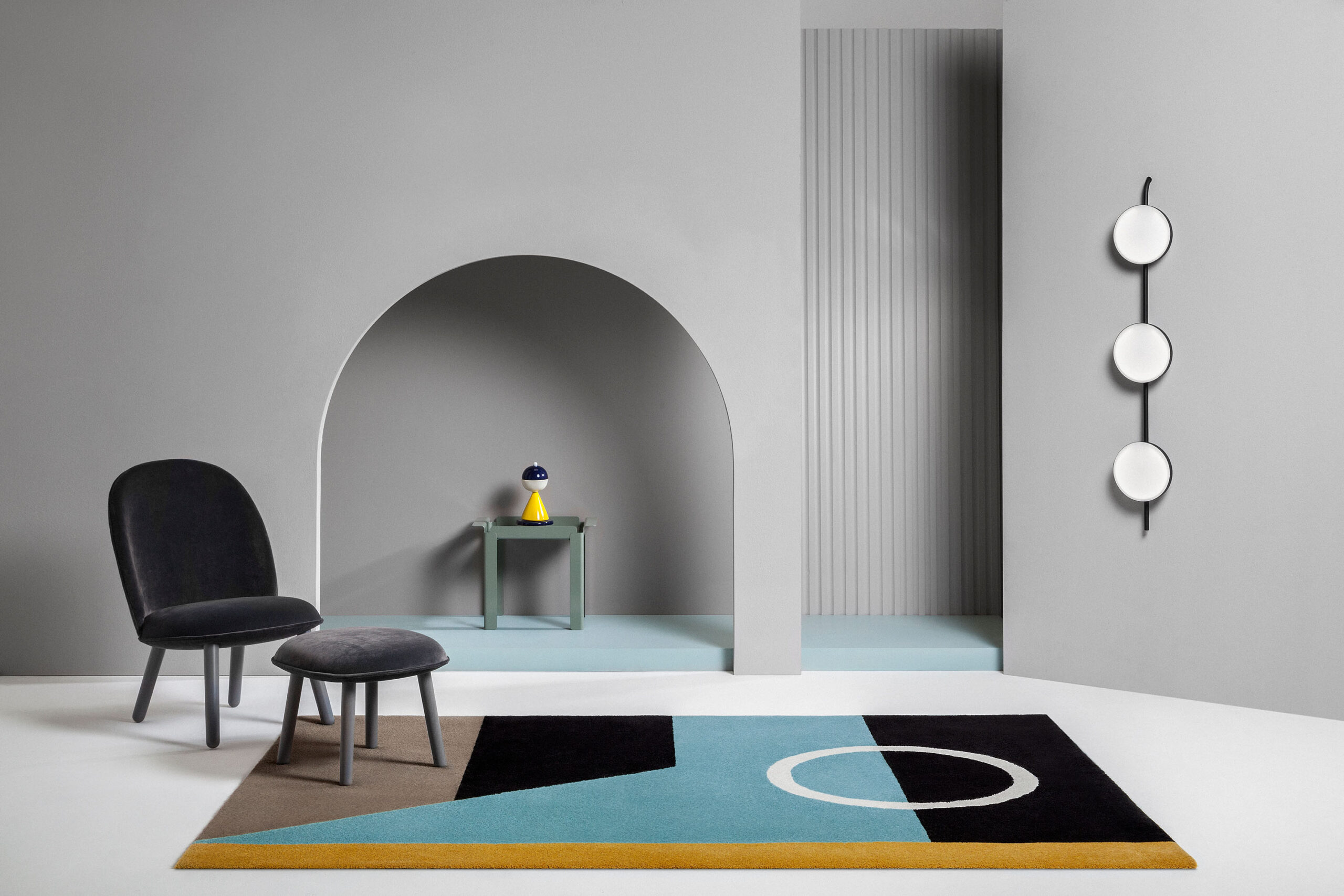
Entrevista a Coty Larguía: lenguaje de formas
Entre los primeros trabajos de Coty Larguía como escenógrafa y sus últimos proyectos de diseño, pasaron cosas. Dirección de arte para publicidades, participación en campañas de moda y la creación de una marca de decoración figuran en la lista de conquistas de esta mujer con sello propio. Ya sea a la hora de componer espacios gastronómicos y residenciales o intervenir en el desarrollo de productos, su lenguaje visual es claro. Oblique, la colección de carpetas creada en colaboración con El Espartano, deja en evidencia su interés por la geometría y la abstracción y marca un momento clave en su rumbo profesional: el salto desde la producción audiovisual hacia el interiorismo, como principal ámbito de creación.
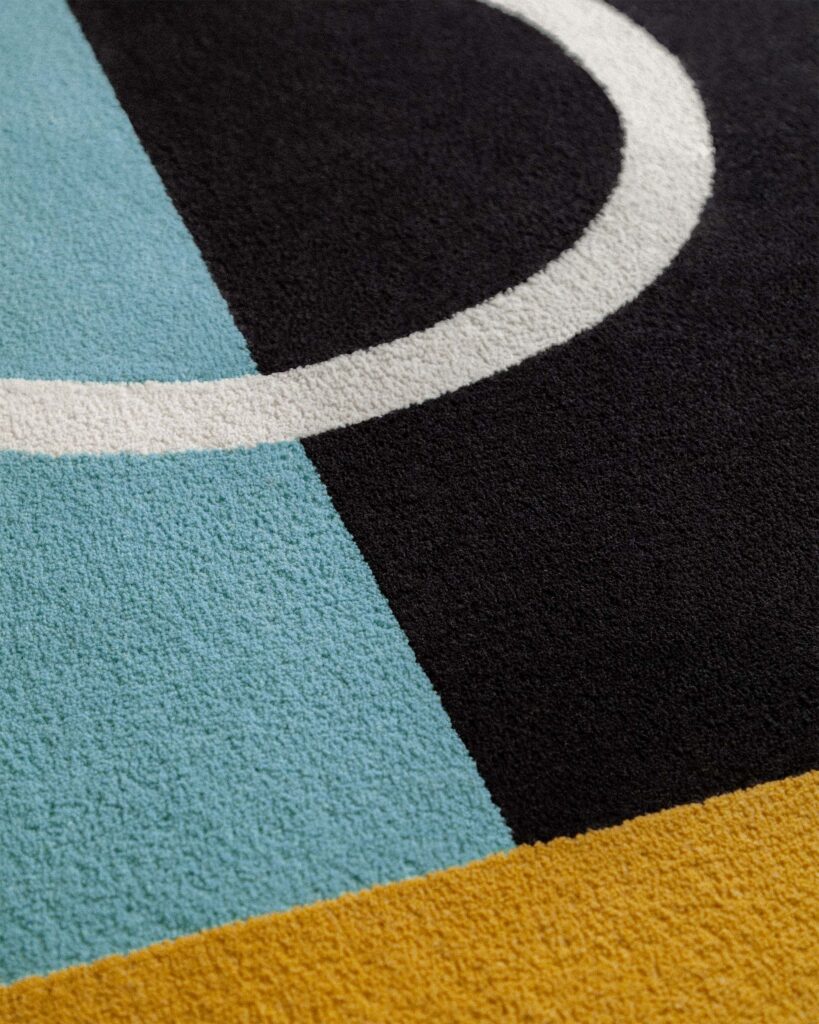
Confeccionada de manera artesanal con fibras naturales, la colección Oblique presenta cuatro diseños: Rouen, Azuka, Amberes y Oracular. Cada uno de ellos se teje en diferentes variantes de color.
¿De dónde viene la inspiración para tu trabajo?
Me llega mucho de la arquitectura, que es una de las cosas que más me apasionan, del arte y de los viajes. Puntualmente para Oblique, veníamos de trabajar una línea de empapelados con mucha geometría y quisimos que los diseños convivieran con eso. Queríamos generar formas con distintos grosores y densidades de color para que se terminen de componer con los livings. Están pensadas para ponerles los muebles encima y que, según como se ubiquen, puedan verse distintas partes del diseño. Me interesó trabajar la mezcla de lo geométrico, el art déco, lo contemporáneo y las líneas.
¿Cuál es tu “biblia” de diseño a la que recurrís cuando hace falta?
Historia del arte de Ernst Gombrich, es mi biblia, a la que vuelvo siempre que necesito inspiración. Es el libro más clásico de la historia del arte, con el que hice toda mi carrera. También uso redes sociales: Pinterest, Instagram. Tengo un perfil donde solo sigo diseñadores, estudios y arquitectos. Eso también me inspira y hasta sin darme cuenta. Por eso, a veces necesito pensar en lugares más analógicos que tengan que ver con mis inicios. Me transportan a un lugar más genuino. Después gana el día a día y la comodidad de lo digital, que es tremenda. En el estudio, pensamos en hacer maquetas y moodboards, pero siempre gana la falta de tiempo. Y por supuesto que los viajes son inspiradores. La visión que uno tiene cuando viaja, cómo se impregnan las imágenes y las ideas, es muy distinto a cuando uno busca algo preciso. El residual que queda de conocer distintas culturas, arquitecturas y ciudades siempre resuena.
Si tuviera que nombrar un viaje muy inspirador, diría el que hice a Japón. Fue un hito para mí. A partir de ahí, ocurrió un quiebre estético y decidí dedicarme al diseño. Cuando fui a principios de los 2000, no era época de redes. Uno viajaba y se sorprendía porque solo se podía ver a través de libros o películas, pero no se tenía la cercanía. Para mí fue muy conmovedor descubrir esa cultura, los hábitos, el idioma, el diseño e incluso la tecnología.
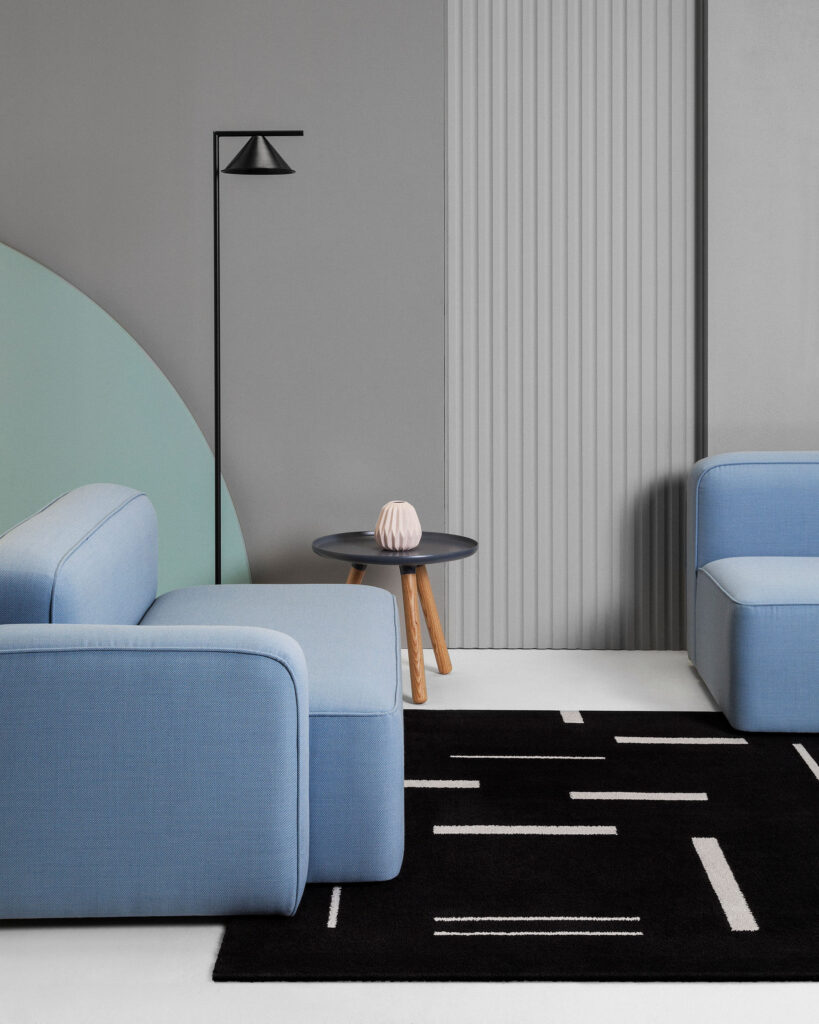
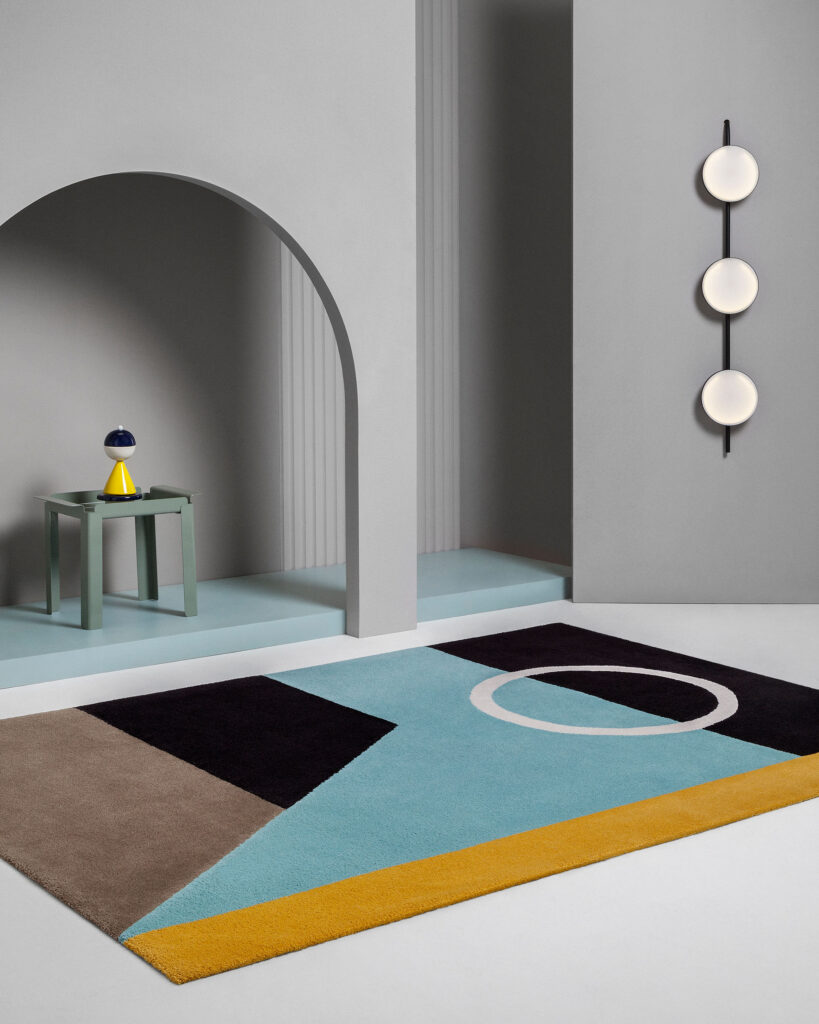
Inspirada en la arquitectura brutalista y el art déco, los diseños de Coty Larguía fusionan geometrías dinámicas mediante la superposición de capas, generando un efecto tridimensional.
¿Qué lugar ocupan los textiles, en particular las alfombras, en tus proyectos?
Ocupan un gran lugar, sobre todo en lo residencial. Muchos espacios se construyen a partir de la alfombra, es como el lienzo que recibe todo lo demás. A partir de ahí, se termina de elegir la pintura de paredes o el textil del tapizado. Con los colores dela colección Oblique me siento cómoda: un poco desaturados, con algo de negro, algo neutro, algo con los grises y los marrones. La paleta es algo que marca mi estilo, hay elecciones a las que siempre vuelvo.
Cuando diseñás, ¿ cuál es tu fin principal? ¿Confort, diseño, practicidad, sustentabilidad?
Nunca es un solo fin. Es la combinación, en su justa medida, entre lo funcional y lo estético. De alguna manera, tiene que gustarme. Y también me importa que me sienta representada. Hay algo de eso que es inevitable, todo termina teniendo un mismo lenguaje. El trabajo que hacemos los diseñadores debe ser sustentable y representar lo que uno aporta a la escena local. Debe tener un poco de cada cosa.
¿Cómo imaginás el futuro del diseño en términos de sustentabilidad?
Lo que más me entusiasma es cuando veo que la tecnología se usa con esos fines. Se logran materiales con las propiedades que se necesitan para trabajar, pero innovando y pensando desde lo sustentable, desde la recuperación. Hoy se encuentran cada vez más materiales buenos que son recuperados. Ahí es donde la tecnología es nuestra aliada. Las alfombras reutilizan materiales y los poliésteres que antes no estaban bien vistos, hoy se resignifican porque vienen de materiales reciclados. Por suerte, los clientes están atentos y es parte también de su visión demarca, quieren que se vea. La sustentabilidad atraviesa casi todos los proyectos. Hablando con una amiga que trabaja en eso, entendí que hay muchas maneras de concebir lo sustentable, no solo desde los materiales. Por ejemplo, pensar en cómo se vuelve a los oficios es una de las formas. El mundo 100 % sustentable, quizás, nunca suceda. Pero que una empresa de pinturas, por ejemplo, tenga un 50 % de material tóxico, si antes tenía un 100 %, eso ya es algo. Es un tema que ya está en la mesa.
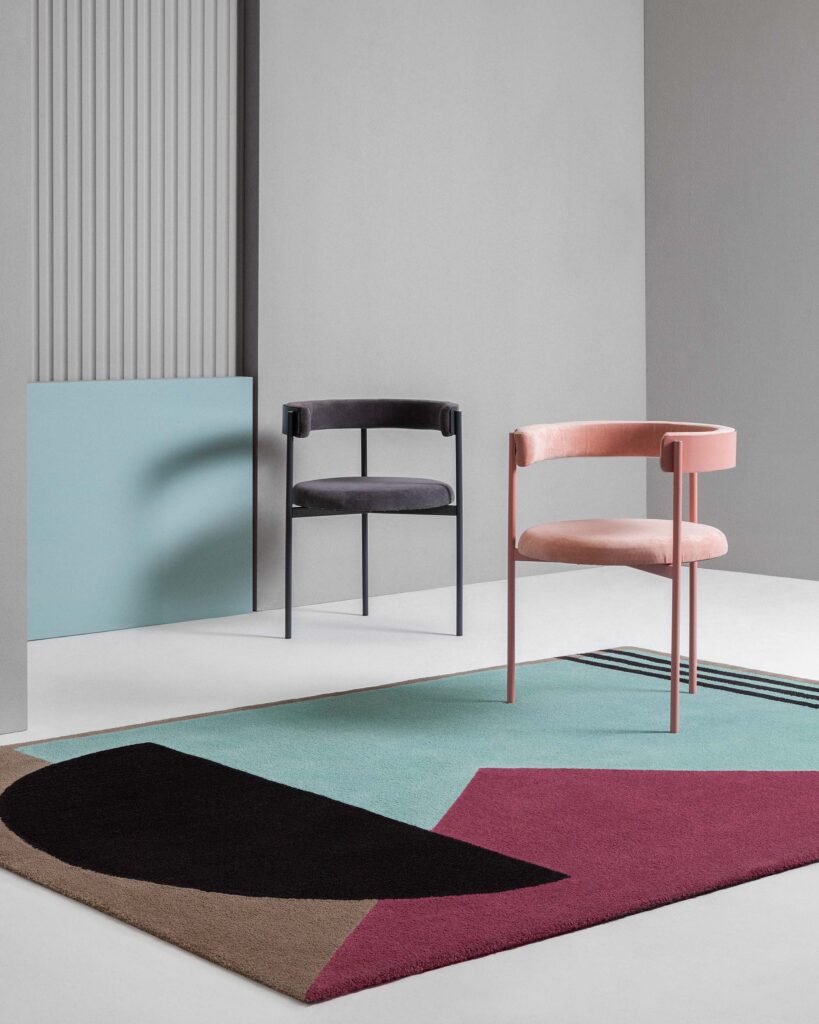
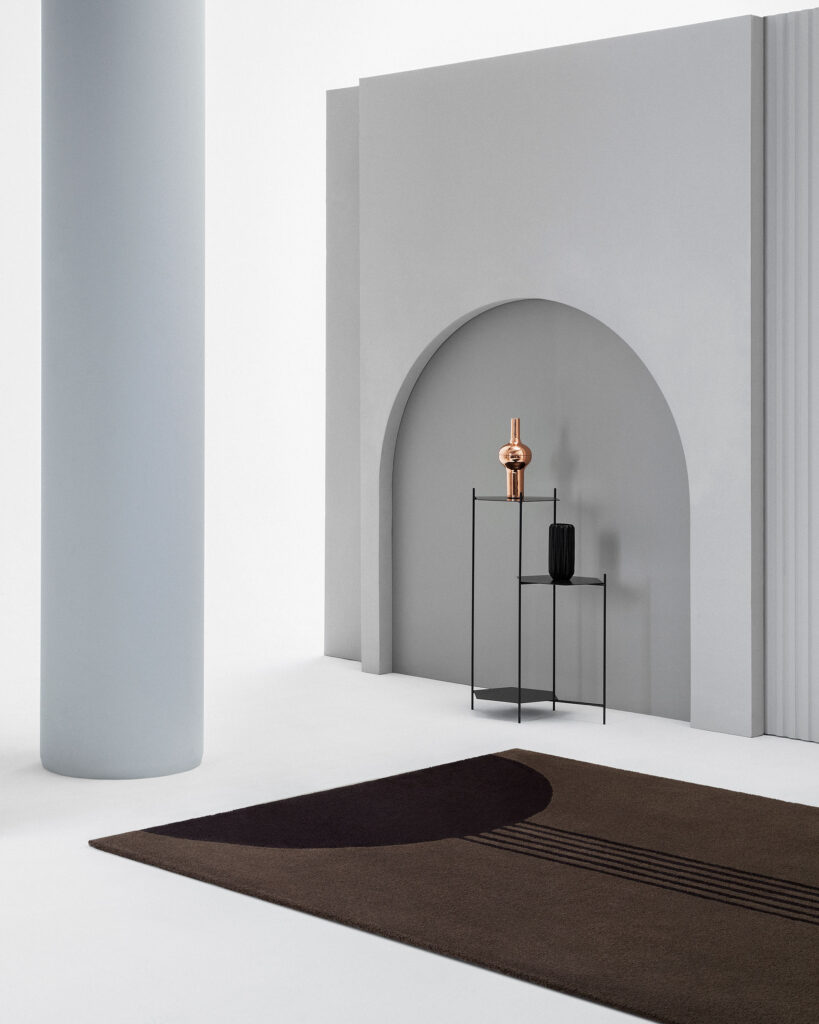
La colección Oblique fue reconocida en 2021 con el Sello del Buen Diseño.
¿Cómo creés que la pandemia cambió la forma de pensar los espacios?
Creo que se generó un cambio en la percepción y el valor del diseño interior. Hubo más tiempo para observarlo, para entender lo importante que es el entorno, cómo incide en el estado de ánimo, en un mejor vivir. Uno puede trabajar desde su casa y ser igual de eficiente, los formatos de trabajo cambiaron. La gente cuanto más feliz es, mejor trabaja, no importa si está en una oficina o no. El fin del diseño de oficinas ahora es que la gente quiera volver. Antes, la oficina era un lugar común a todos, no tenía personalidad. Hoy, los dueños quieren que la gente se sienta a gusto, que sean lugares empáticos y estimulantes, que sean más colaborativos. Ya casi no existen los puestos fijos.
Antes de terminar la charla, le pedimos a Coty un consejo para la nueva generación de diseñadores. Su respuesta fue simple: “se aprende más de los errores que de los aciertos”. La clave, para ella, es animarse, aceptar los desafíos y nunca dejar de aprender.
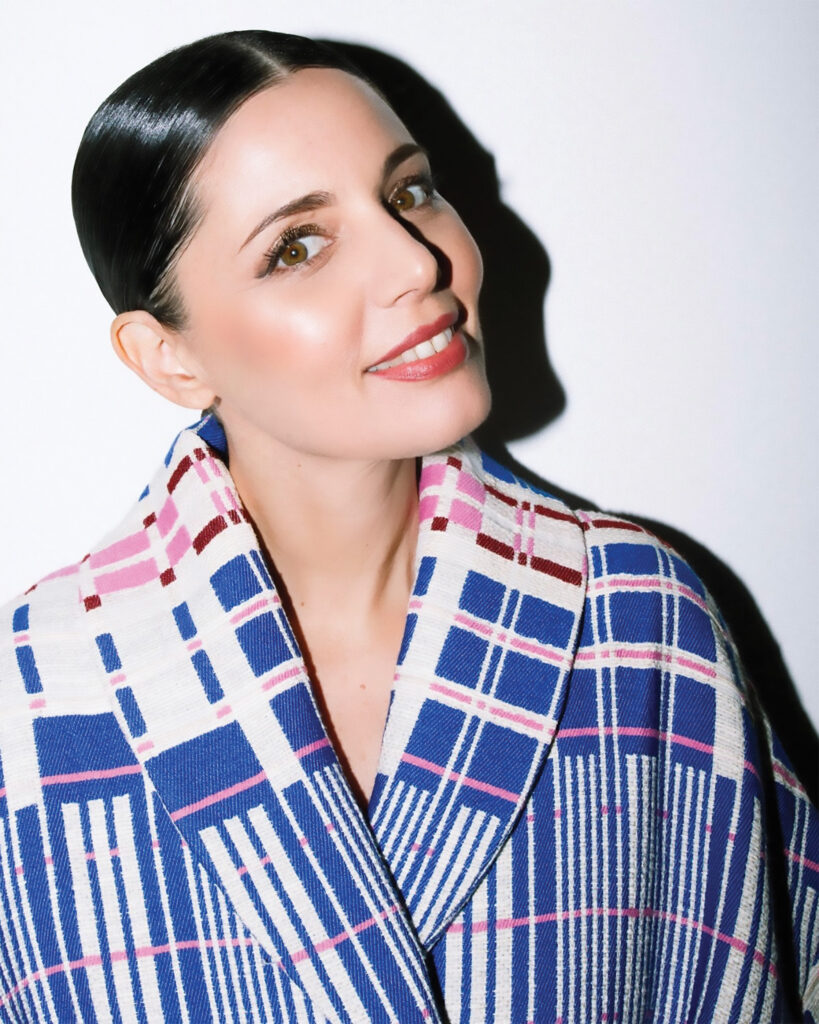
Coty Larguía es Directora de Arte y reside en Buenos Aires. Graduada en Escenografía y Artes Visuales, trabajó como escenógrafa en diversas puestas teatrales en Buenos Aires, en dirección de arte y en publicidad para varias productoras. Creadora de Picnic y Coty Larguía Studio, explora el diseño y desarrolla proyectos de interiorismo, diseño de producto, desarrollo de identidad visual y dirección de arte.