
Entrevista a Hella Jongerius: crear para encontrar sentido
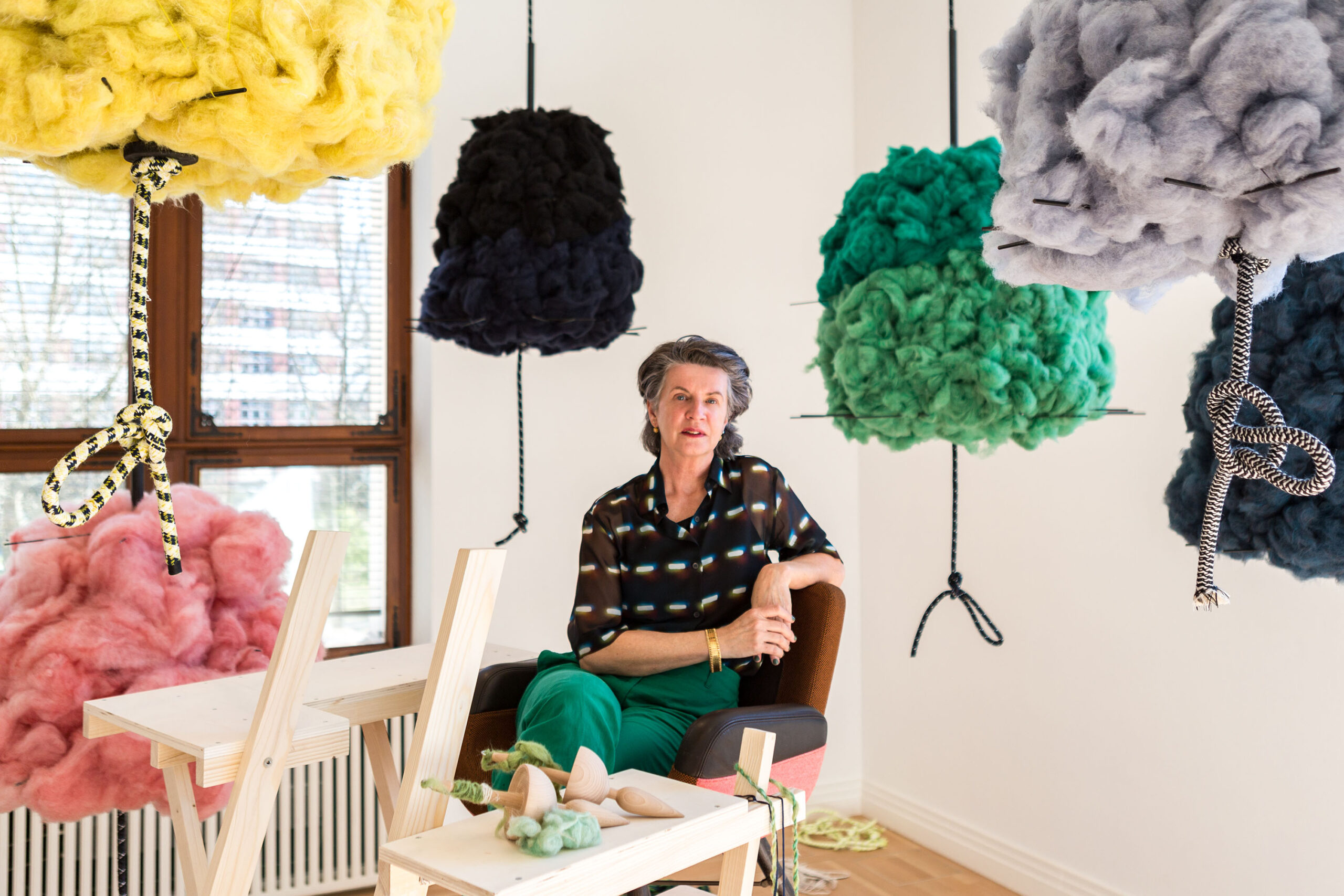
La innovación sustentable, la artesanía, la manufactura responsable y la relación con la naturaleza y los objetos han sido, durante tres décadas, los tópicos que la diseñadora industrial Hella Jongerius ha investigado desde su estudio ubicado en Berlín. Sus trabajos nos interpelan desde la exploración del color, los materiales y las texturas, en un intento de reconectar con el otro, con los objetos que nos rodean y con el mundo físico que habitamos.
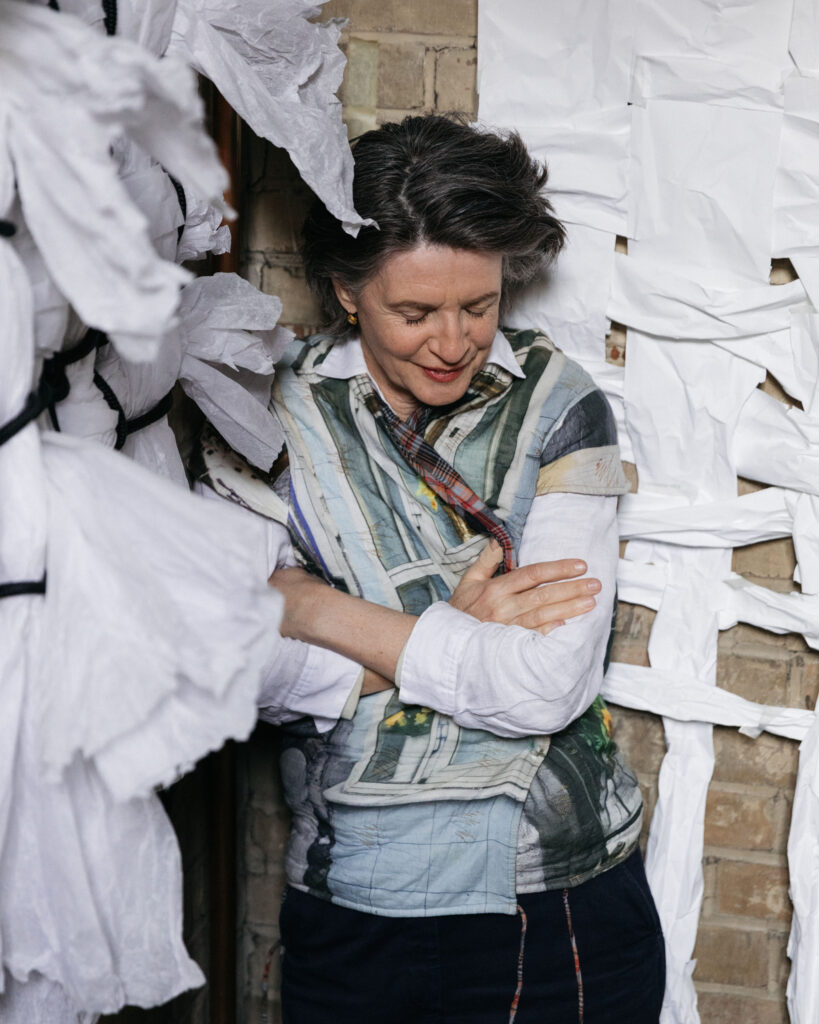
“El color es una herramienta de comunicación, un modo de llamar la atención.”
¿Qué posibilidades te ha ofrecido el color como diseñadora?
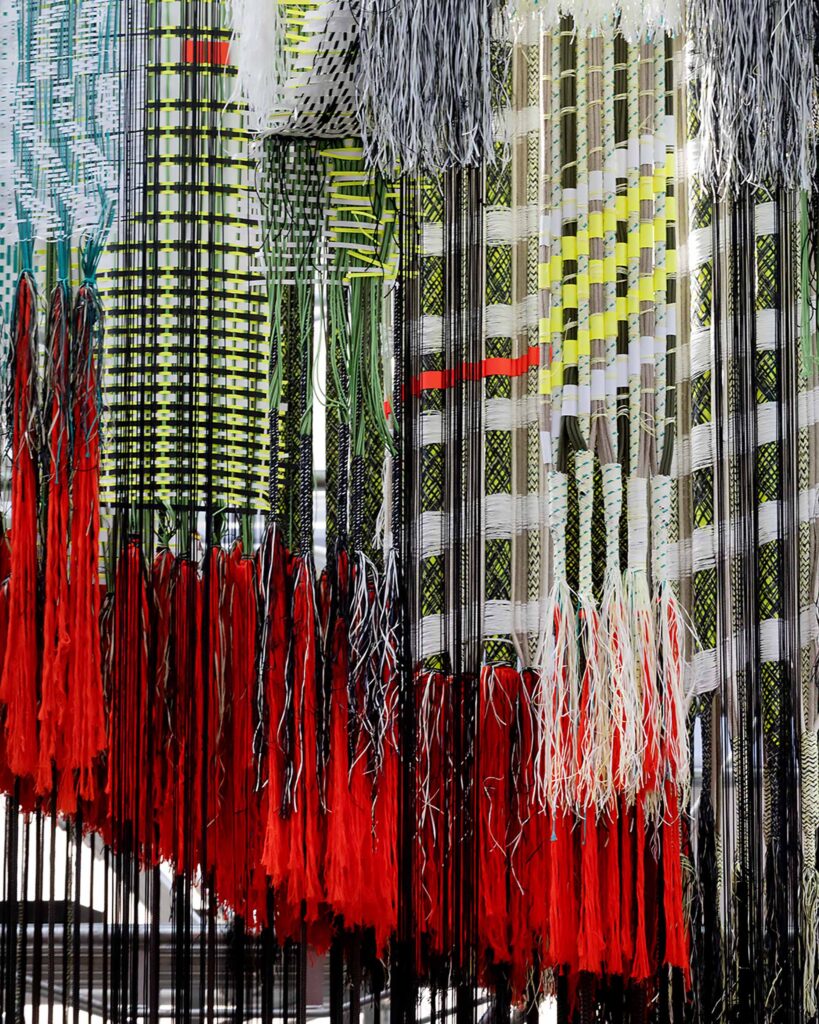
En los últimos años, mis muestras buscan reflejar mi investigación sobre ciertos temas. El color es una herramienta de comunicación, un modo de llamar la atención, y me resulta interesante proponer ese diálogo a través de la belleza o de la estética. Al atrapar nuestra atención, hace que miremos un poco más ese producto o ese objeto. Por ejemplo, lo que ocurre en un museo es que no hay nada que se venda, nadie va de compras a un museo. La comunicación ahí se establece a través de la belleza, de la estética. Si algo te parece muy bello, muy feo, muy expresivo o si te parece extremo en su color tenés otra apertura a esa experiencia.
En los últimos años, nuestra empresa se centró en hacer un uso más profesional del color. Desarrollamos nuestros propios sistemas para ofrecer a los consumidores y diseñadores una forma más amplia y organizada de entender el color.
Aquí cabe destacar la importancia de crear tu propia caligrafía, tu propia firma para el color, a la que luego hay que darle una estructura. También hay que tener en cuenta el aspecto cultural. Cada lugar tiene su propia cultura del color, cada pueblo recuerda los colores de manera distinta y, en cada lugar, los colores reaccionan de un modo diferente.
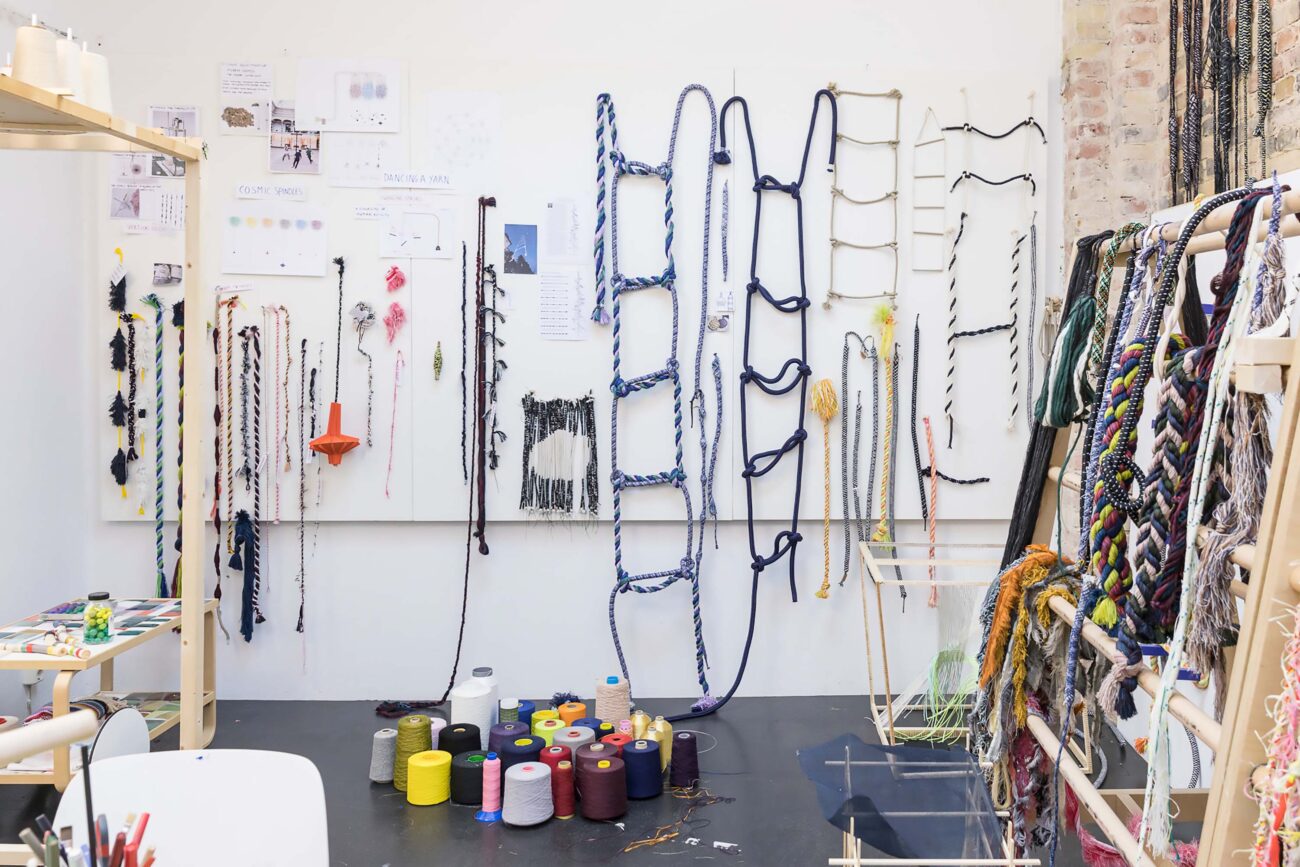
“Cada lugar tiene su propia cultura del color, cada pueblo recuerda los colores de manera distinta.”
¿Cómo nutre tu trabajo la materialidad del telar, la posibilidad de hacer prototipos, de poner tus propias manos en acción, como sucedió en el proyecto con KLM?
Son muchas las manos y las mentes que se ponen en acción en el estudio. Nuestras manos son inteligentes y, ensayo y error mediante, nos permiten encontrar soluciones que nunca hallaríamos solo con la mente. Ahí, claro, siempre prima la razón. Por eso, cuando trabajo en un determinado producto, siempre procuro encontrar una solución normal y una solución histérica. En el segundo caso, ya no pensás tanto: te arrojás y te perdés un poco y ahí aparece la diversión, lo inesperado. Es un método que te da oxígeno. Luego, por supuesto, llega la hora de la mente, de los archivos que tenemos a nuestro alrededor, la cultura en la que vivimos, los oficios que conocemos, el arte que se produce, la política, todo aquello que pasa ahora y nos interpela. Este punto es muy importante: lo que sea que hagas, debe dialogar con lo que pasa ahora, y así se sumará a esta gran ola en la que todos flotamos.
¿En qué creés que deberían centrarse las empresas textiles hoy en día?
Me parece clave que, a la hora de diseñar, no pierdan de vista la importancia de reciclar lo que se produce, que la gente pueda llevarles los artículos que compraron, que haya un segundo ciclo. Esta es hoy una nueva etapa del diseño y las empresas deben aplicar este enfoque también al pensar en los materiales y en la forma de tener una mirada responsable después de la venta. Me parece un giro importante incluso en términos de la propiedad porque en este esquema la empresa seguiría siendo dueña del producto.
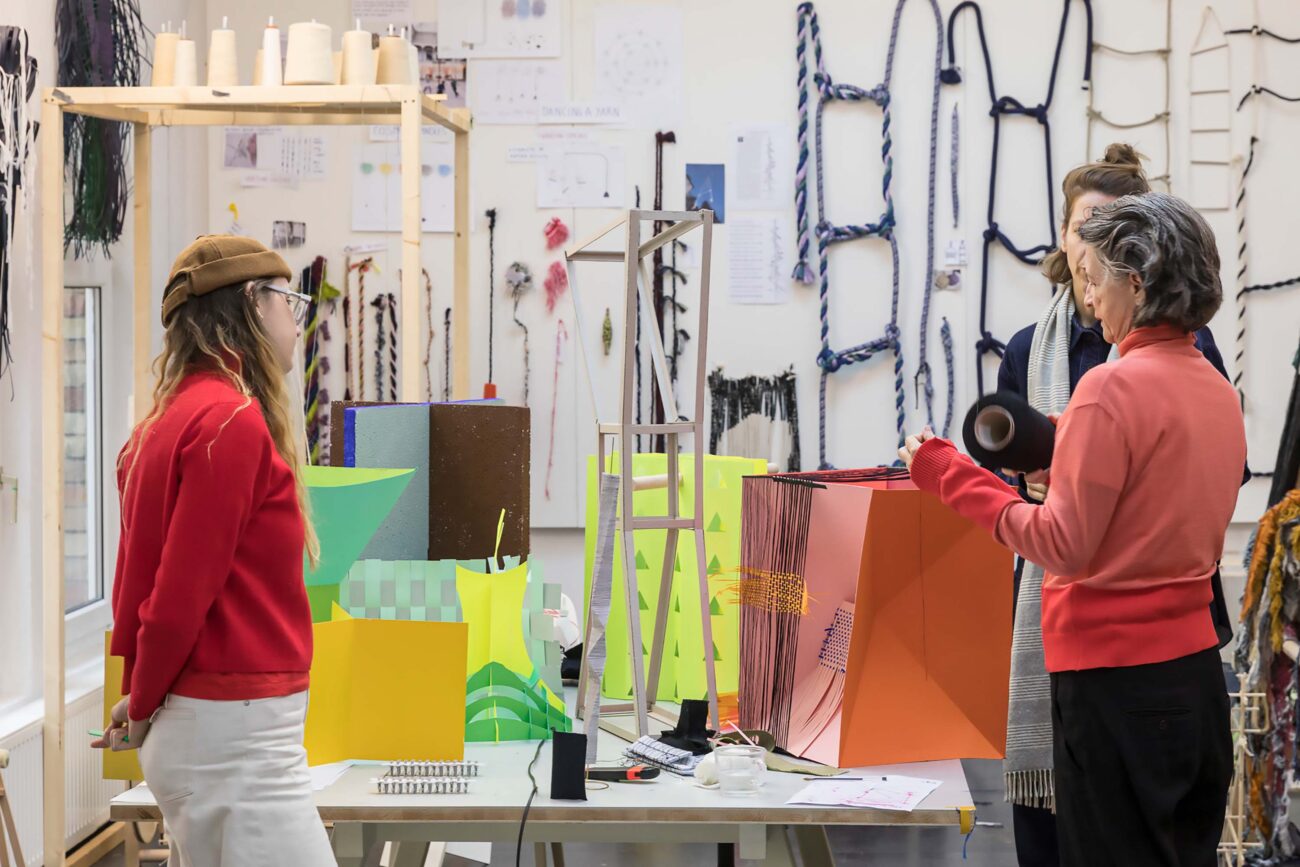
“Los jóvenes diseñadores saben muy bien que no podemos permitirnos arruinar el planeta, y que el primer paso en esa dirección está en los materiales que usamos.” Foto: Laurian Ghinitoiu. Cortesía: Jongeriuslab.
Teniendo en cuenta que las nuevas generaciones están tan inmersas en el mundo digital y el gran desafío que implica que vuelvan a las raíces de lo artesanal, ¿te parece que los nuevos diseñadores se sienten interpelados por la idea de ser más conscientes del proceso?
Todos vivimos en el mundo digital; no es algo exclusivo de las generaciones más jóvenes. Es una dimensión plana, sin materialidad, sin textura ni la posibilidad del tacto. Pero, al regresar a nuestra vida cotidiana, en el mundo físico, necesitamos esa superficie real, que esos materiales concretos sean de alta calidad, de buena factura, de buena calidad para la tierra y que sean creados holísticamente. Es algo de una importancia vital, y sí creo que las nuevas generaciones son conscientes de esta necesidad. Los jóvenes diseñadores saben muy bien que no podemos permitirnos arruinar el planeta, y que el primer paso en esa dirección está en los materiales que usamos.
¿Qué libros o autores te gustaría recomendarles a los diseñadores más jóvenes?
Lo que más leo es teoría, filosofía, etc. Me gustan mucho, por ejemplo, pensamientos como los de Timothy Ingold y Donna J. Haraway. Se preocupan por los nuevos materiales, por las nuevas formas en que podemos ver el mundo. Es un nuevo materialismo que me interesa muchísimo.
Hella Jongerius es una artista y diseñadora industrial nacida en los Países Bajos. Cursó sus estudios en la Academia de Diseño Industrial de Eindhoven hasta graduarse en 1993, año en que fundó su estudio, Jongeriuslab. Su trabajo busca unir la artesanía con la producción industrial a través de la celebración de las imperfecciones, la sensibilidad y el carácter. Entre sus clientes, se encuentran Vitra, Maharam, la ONU y la aerolínea KLM.
Foto de portada: Laura Fiorio. Cortesía: Jongeriuslab.